Every team has that parent at the game who wants to chip in but doesn’t have cash on them, and every coach has a sideline that already feels crowded enough without a folding table and a cash box. Text-to-give and QR code donations solve both problems by turning a phone scan into a completed gift in under 30 seconds — no table, no volunteer standing around asking, no pledge form to fill out later and forget.
This isn’t a replacement for your bigger fundraisers — it’s a way to catch the money that’s already walking past you every single game day. Set it up once at the start of the season and it keeps working without anyone managing it.
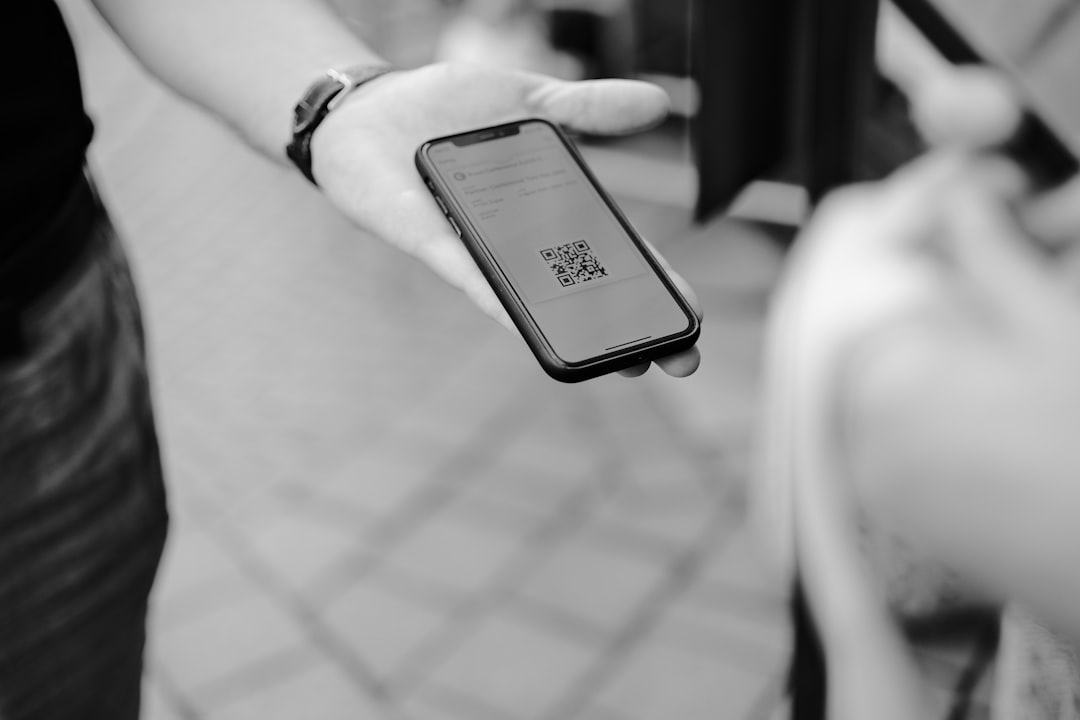
Why Sideline Giving Needs Its Own System
Sideline giving is impulse giving. A grandparent watching a great play, a neighbor who didn’t get a chance to donate to the fall raffle, a visiting-team parent who’s never heard of your booster club before kickoff — these people give small, and they give in the moment or not at all. Median gifts through a game-day QR code tend to land in the $5–$20 range, but volume adds up: a well-marked code at a high-attendance game (playoffs, senior night, a rivalry matchup) can bring in $150–$400 in an afternoon with zero staffing.
Want the fundraisers, scripts, and a season timeline in one place?
Grab the free Youth Fundraising Quickstart Guide — it takes 10 seconds.
Picking a Platform: Free vs. Paid
You don’t need special software to start. A QR code linking to your Venmo business profile, PayPal.me link, or a GoFundMe Charity page (0% platform fee for registered nonprofits, standard 2.9% + $0.30 processing) costs nothing and takes ten minutes to set up. The tradeoff is that these free tools don’t text donors a thank-you or give you a clean donor list afterward.
Dedicated platforms like Givebutter are free for organizers and add automatic text confirmations, a running leaderboard, and an exportable donor list — worth the switch once you’re running this at more than two or three events a season. Paid text-to-give services generally run $15–$40 a month and make sense mainly for larger leagues collecting across multiple teams at once.
Where to Put the Code So People Actually Scan It
A QR code only works if it’s visible at the moment someone has both their phone and a free second — which usually isn’t mid-play. Print it large (an 11×17 sign costs about $5–$8 at any print shop) and post it in at least three spots: the concession stand line, the gate or entrance table, and a sign near the scoreboard. Teams that place the code in just one location typically see a fraction of the response of teams that repeat it in two or three high-dwell-time spots.
A quick PA or pregame announcement pointing people to the sign roughly doubles scan rates compared to a silent, unannounced code — it takes the coach or announcer fifteen seconds and costs nothing.
Text-to-Give vs. QR Code: Which One for Which Moment
QR codes work best for people who are already standing still — the concession line, the gate, the parking lot. Text-to-give (texting a short keyword to a five-digit number) works better for a live, mid-event push, like a fourth-quarter appeal read over the PA during a close game, because typing a keyword from memory is faster than fumbling to open a camera app while watching the field. If your league already has a text-to-give platform for one of these moments, pair it with a QR code for the other rather than picking just one.
Tracking and Thanking Every Sideline Donor
Export your donor list after every game and send a thank-you within 48 hours — a group text or email works fine for gifts this size. Teams that build this into a regular donor thank-you system see meaningfully higher repeat-giving rates the next time they ask, because a $10 sideline donor who gets a genuine thank-you is a warm lead for next season’s bigger sponsorship ask, not a one-time transaction.
Sideline giving works best as one piece of a bigger toolkit rather than a standalone plan — see our roundup of digital tools that make youth sports fundraising easier to run for the rest of the stack.
None of this requires new equipment or a big budget — just a printed sign, a free QR code, and a plan for saying thank you. Put it in place before your next home game and it’ll keep collecting small gifts all season without anyone having to remember to ask.
Want more ways to catch fundraising dollars you’re currently missing? Grab the free Youth Fundraising Quickstart Guide for scripts, timelines, and fundraiser ideas you can use this season.
Get the Fundraisers, Scripts & Season Timeline — Free
Enter your email below — no need to leave this page.
Leave a Reply