Not every fundraiser needs a course rental or a truckload of wrapping paper. A trivia night or bingo night can be organized in about six weeks, costs almost nothing to run, and regularly nets $2,500 to $4,500 for a single evening — all while giving parents an actual night out instead of one more thing to sell.
Here’s how to structure the format, price tickets and tables, line up round sponsors, and walk away with a real number for your team’s budget.
Why Trivia and Bingo Nights Work for Youth Sports Teams
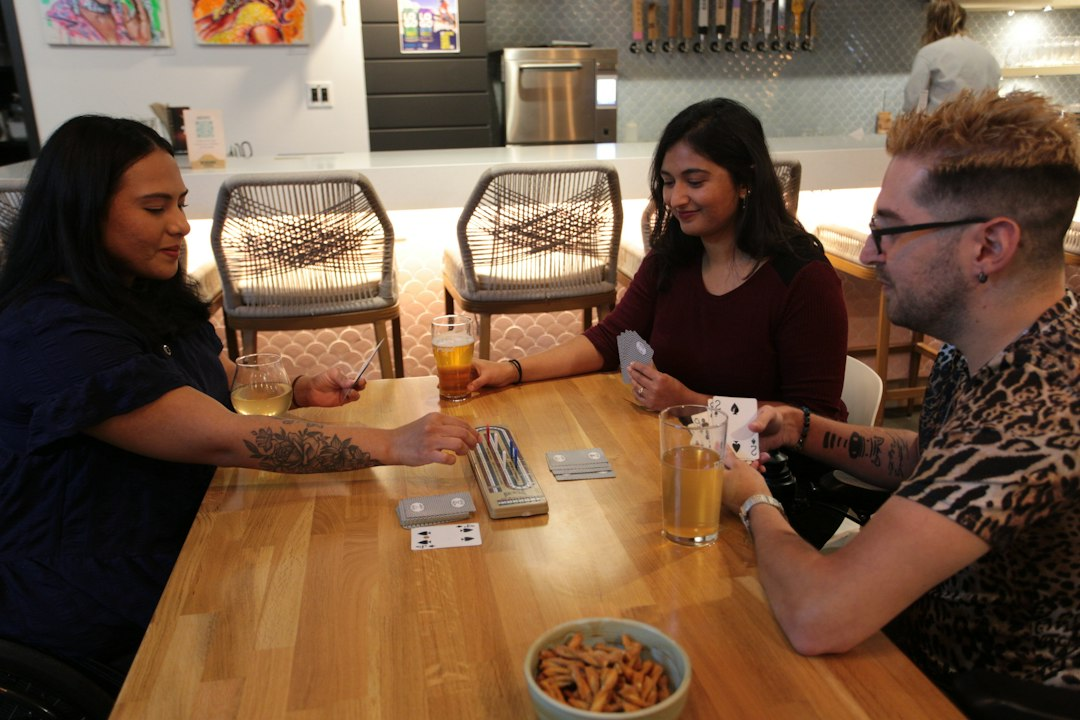
Trivia and bingo nights sell themselves as entertainment first and a fundraiser second, which makes them an easy yes for parents who are fundraiser-fatigued by October. There’s no weather risk like an outdoor event, no inventory to store like a product sale, and the format naturally builds in sponsorship slots — each round or bingo game can carry its own sponsor without feeling like an ad break.
Many teams pair the event with a restaurant or banquet hall that donates the space in exchange for food and drink sales — see our dine-to-donate restaurant night guide for how to structure that kind of venue partnership.
Want the fundraisers, scripts, and a season timeline in one place?
Grab the free Youth Fundraising Quickstart Guide — it takes 10 seconds.
Step 1: Pick the Format and Venue
Trivia works best with 6-8 rounds of 8-10 questions each, run over about two hours. Bingo works best as 8-10 games with a short break in the middle for a raffle drawing. A school cafeteria or gym is typically free or low-cost to rent for a booster club event; a church hall usually runs $100-$200 for the evening. If a local restaurant or brewery has a private room, they’ll often host for free in exchange for guaranteed food and drink sales.
Step 2: Price Tickets and Tables
Sell by the table, not just by the seat — it’s how most guests actually attend:
- Individual tickets: $15-$25 per person.
- Tables of 8: $100-$150, a small discount that encourages group sign-ups and fills the room faster.
- Bingo cards: $10-$15 for an initial packet, with $2 dauber add-ons and $5 bonus cards sold at the door.
For a room of 150-200 people, ticket sales alone typically bring in $3,000-$5,000 before a single sponsor dollar comes in.
Step 3: Line Up Round Sponsors and Prizes
Sell each trivia round or bingo game to a local business for $100-$250: their name goes on the round’s opening slide and gets announced by the emcee. For an 8-round night, that’s $800-$2,000 in sponsorship revenue on top of tickets. Prizes don’t need to be expensive — gift card baskets in the $50-$150 range work well, and many businesses will donate a prize outright in exchange for the same round-sponsor recognition.
Step 4: Add Revenue Boosters
A 50/50 raffle drawn at intermission is the simplest add-on and usually generates $200-$500 on its own. If you have volunteer bandwidth, a small silent auction table running the same night can add substantially more — our raffle and silent auction guide covers how to source items and run the bidding without it competing for attention with the trivia rounds.
What to Expect for Net Proceeds
For a first-time event with 150-200 attendees: expect $3,000-$5,000 in ticket and table sales, $800-$2,000 in round sponsorships, and $200-$500 from a 50/50 raffle. Costs — venue, prizes, printing, supplies — usually run $500-$1,000, leaving a typical net of $2,500-$4,500. Teams that run it as an annual event tend to see both attendance and sponsorship grow year over year, since the same sponsors renew and word of mouth fills more tables.
Compared to a golf tournament or capital campaign, a trivia or bingo night is one of the fastest fundraisers to plan from scratch — a good option if your team needs a mid-season boost without months of lead time.
Want more fundraisers like this one, plus ready-to-send scripts and a season timeline? Grab the free guide here.
Get the Fundraisers, Scripts & Season Timeline — Free
Enter your email below — no need to leave this page.
Leave a Reply